1790 · Birds, Plants & Natural History
Hand-Colored Engraving of Exotic Tropical Birds from Histoire Naturelle, 1790
$145
€130 · dollar price at today's exchange rate
Buy now Ask a question
Shipping to the United States: $51 standard, $73 express, insured and tracked.
- Date
- 1790
- Kind
- Birds, Plants & Natural History
- Size
- 31 × 22 cm (12.2 × 8.7 in)
- Period
- The Early Republic
- Reference
- BG-13712-7
What the condition grades mean
- Excellent
- Bright and clean, with no faults worth mentioning.
- Very good
- Only light signs of age, such as faint toning.
- Good
- Normal signs of age for a sheet of this period: toning, some foxing, small marks or neat old repairs.
- Fair
- Clear faults such as staining, tears or repairs, priced to match.
Every fault we see is written in the condition note, and the whole sheet is shown uncropped in the photos.
Guaranteed original. This is an original of the period stated, not a later reproduction or print-on-demand copy. If it is ever shown to be otherwise, we refund you in full.
Shipping to the United States. Sent from our gallery in Langweer, the Netherlands, flat between boards or rolled in a tube, and fully insured.
Delivery and import charges.
About this piece
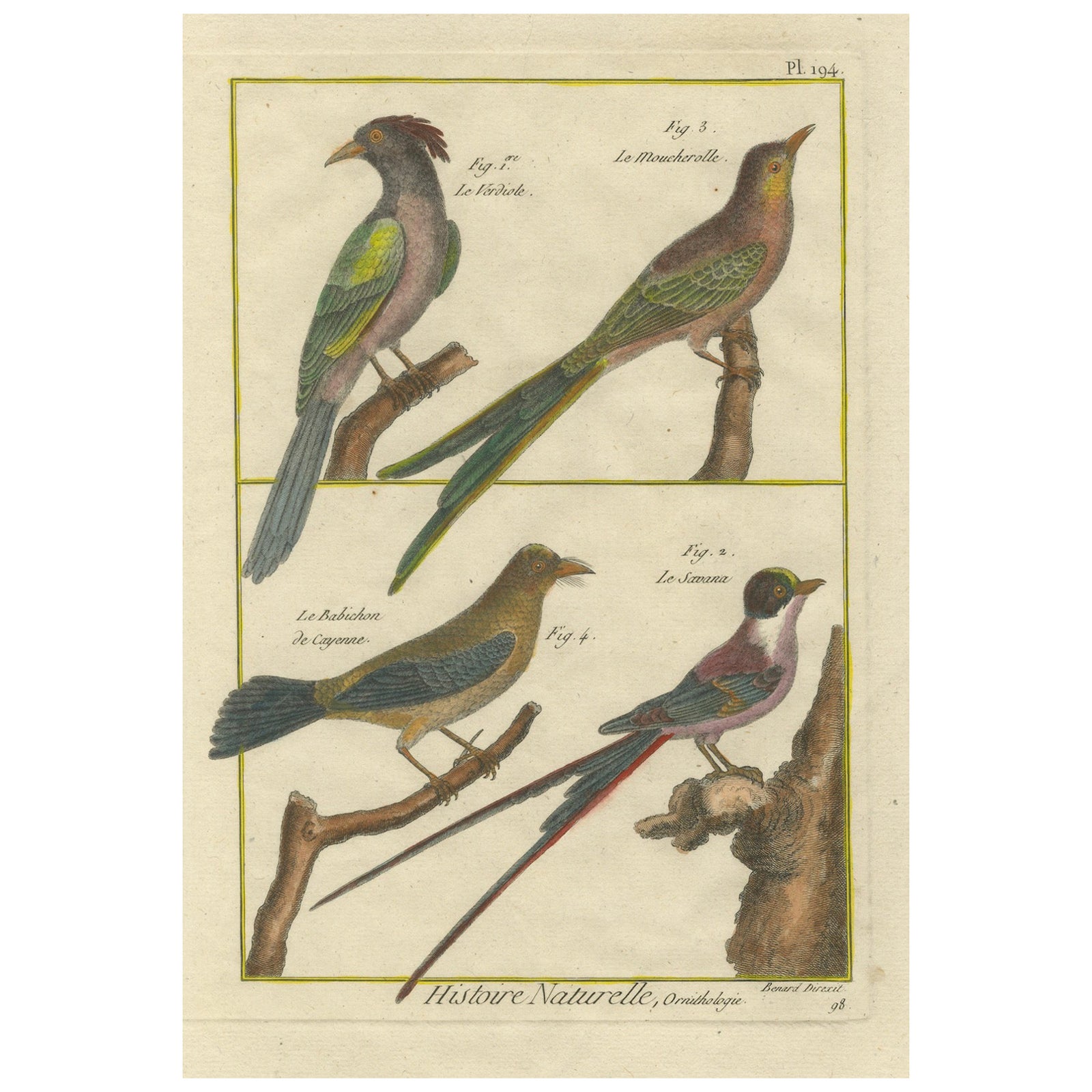
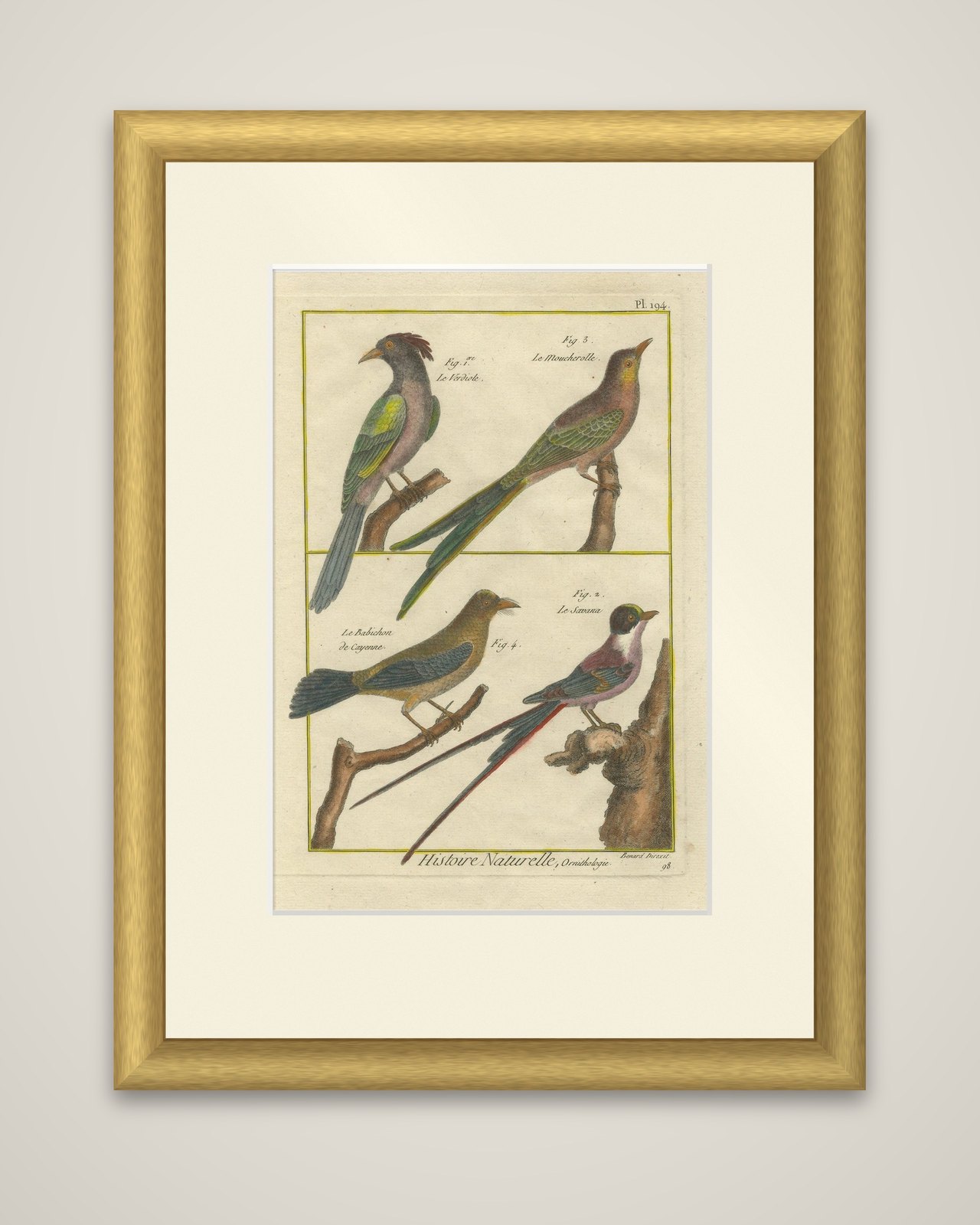
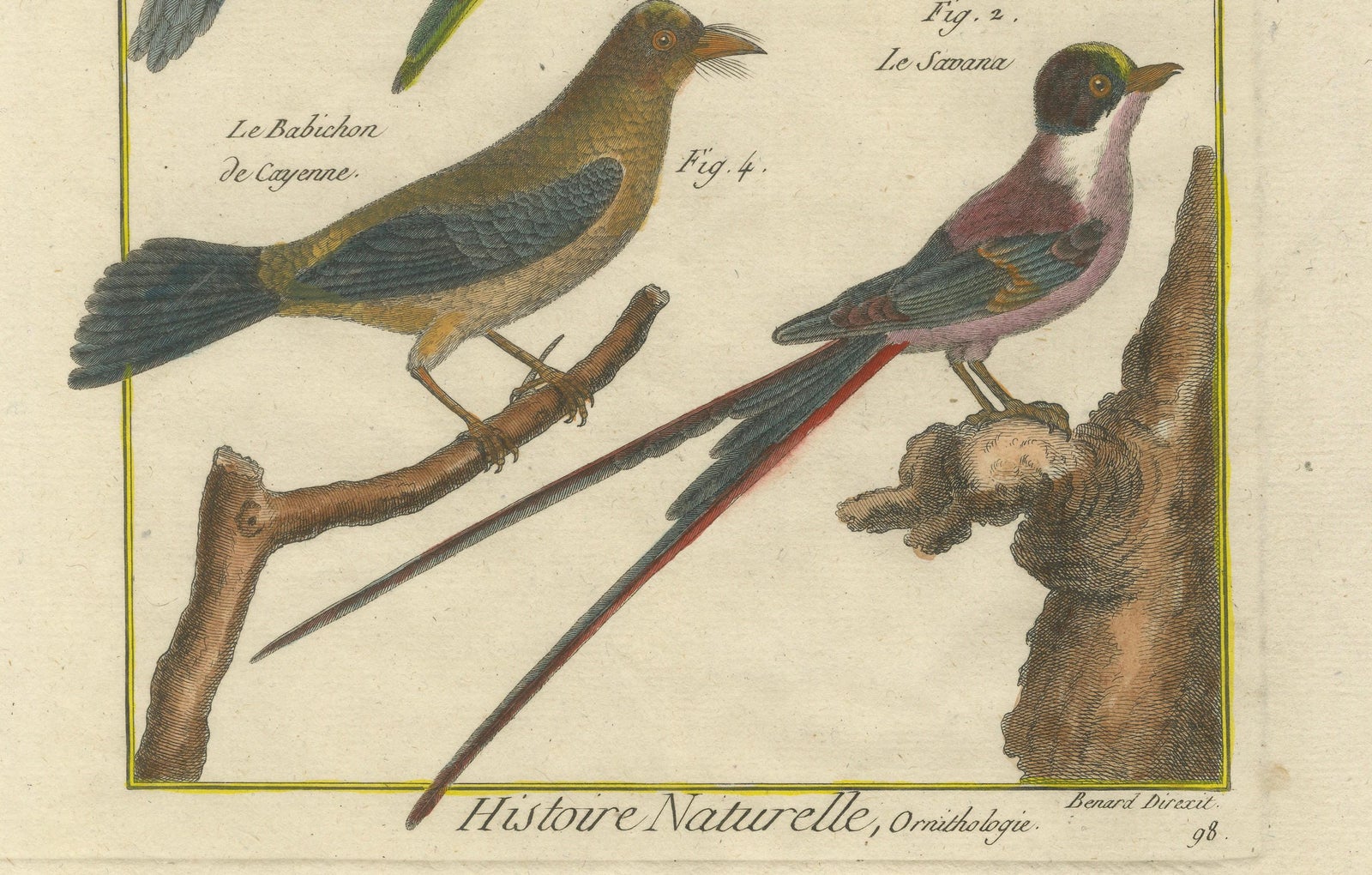
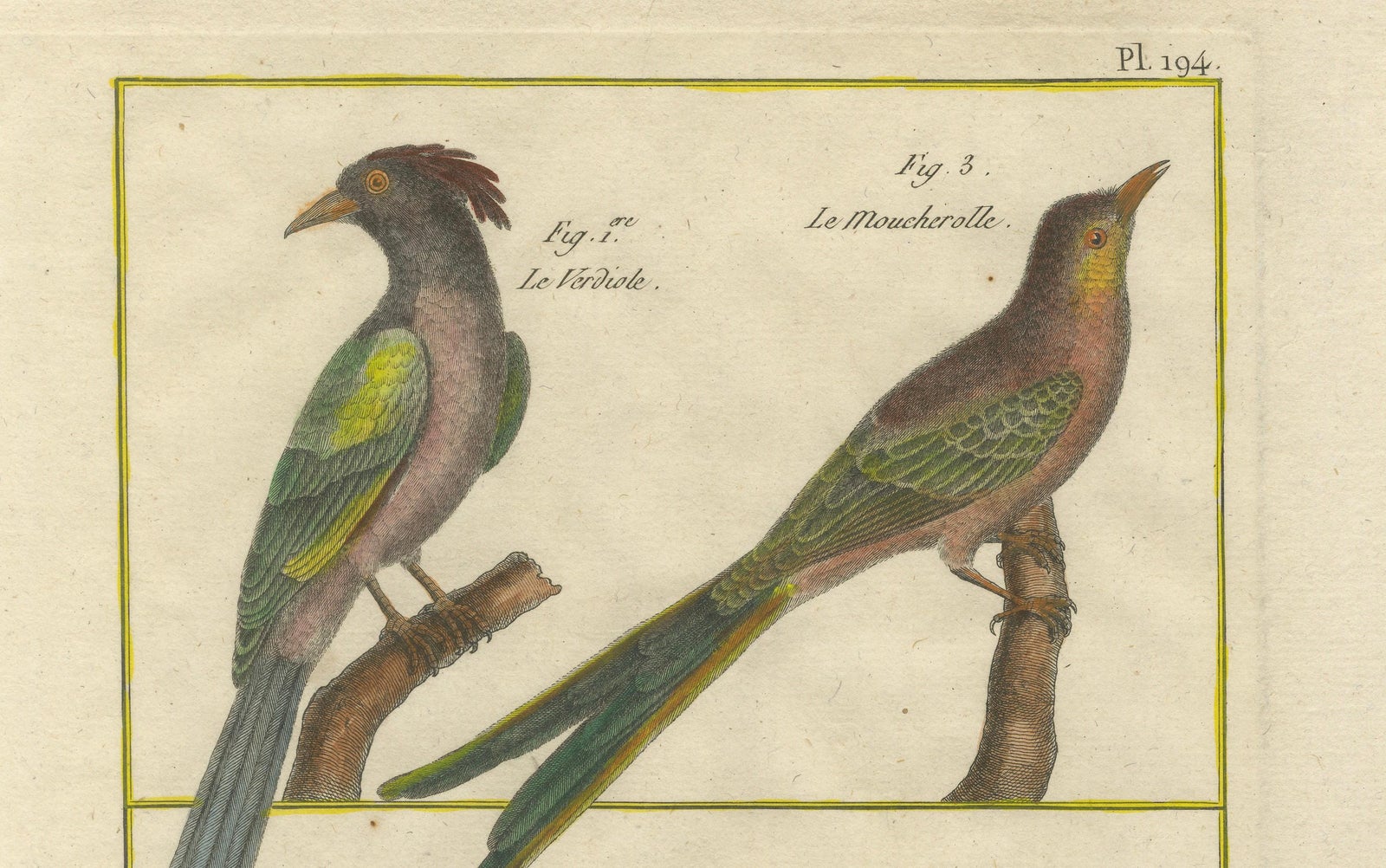
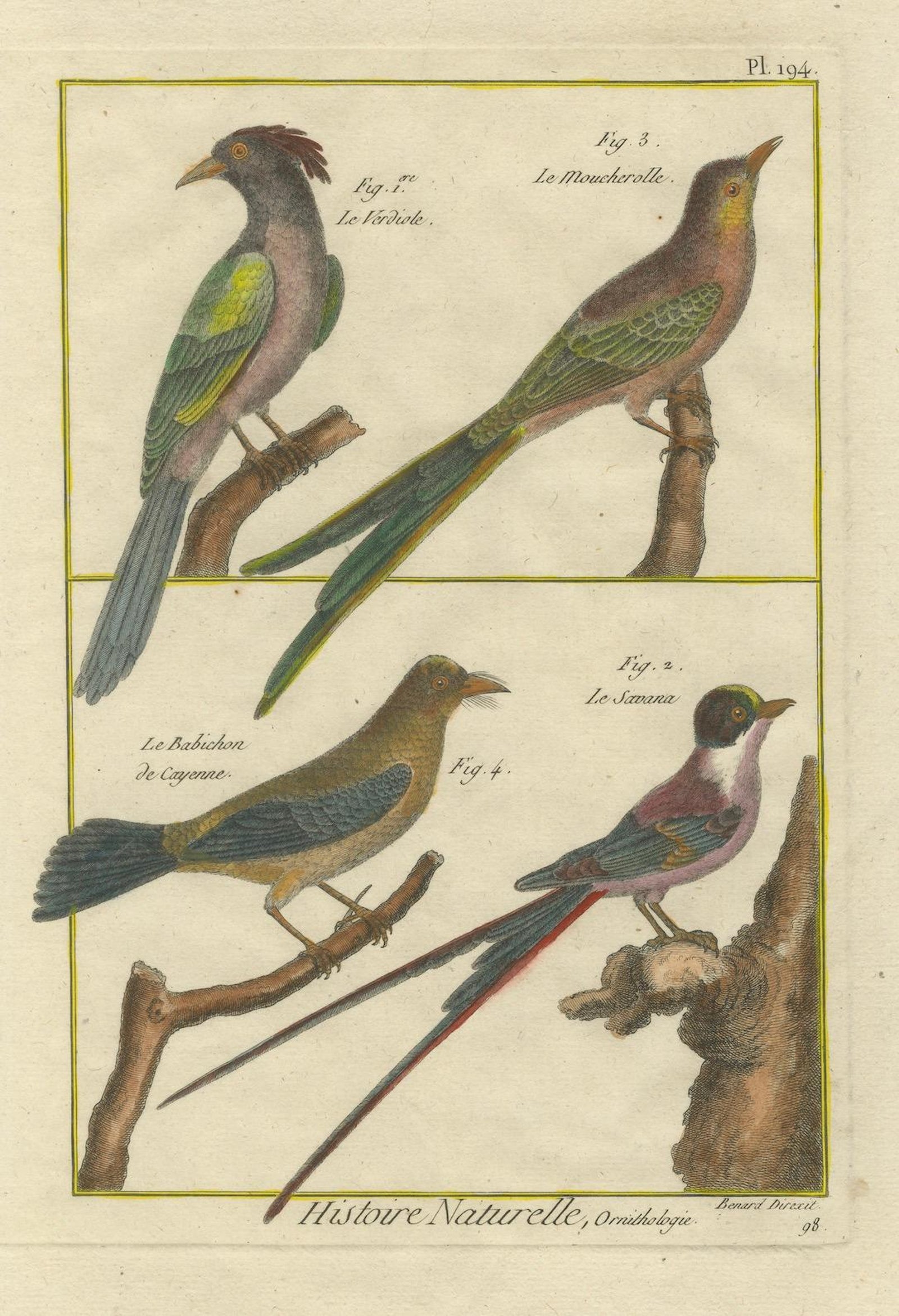
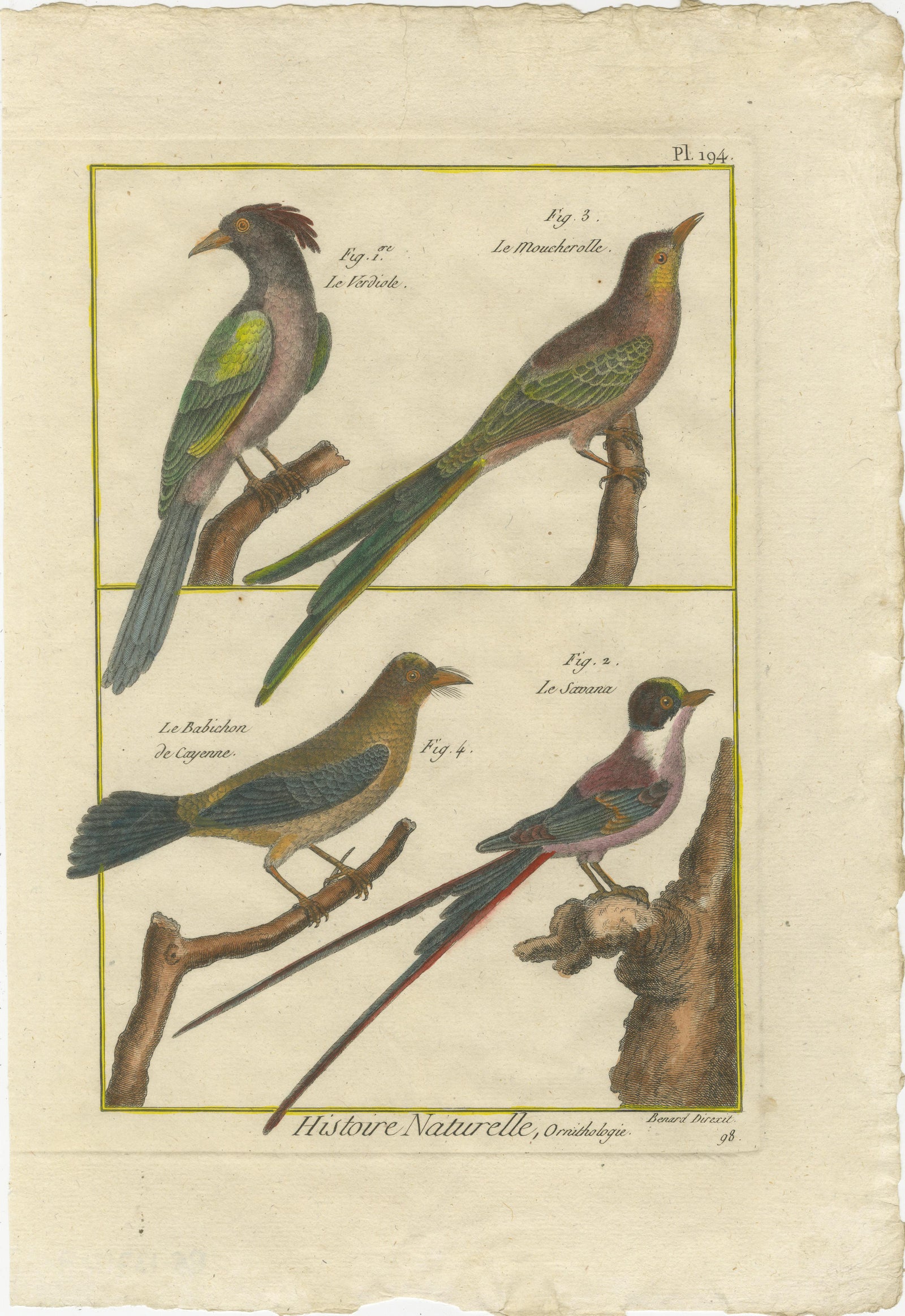
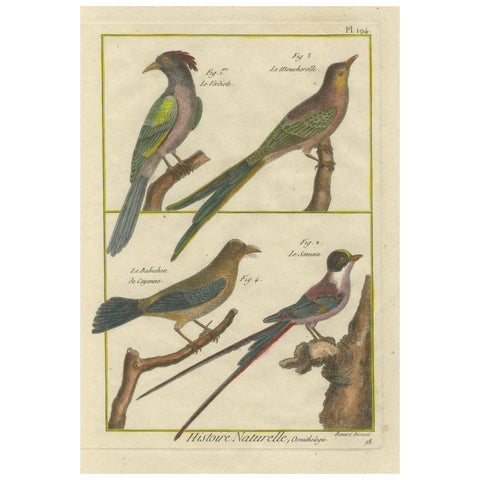
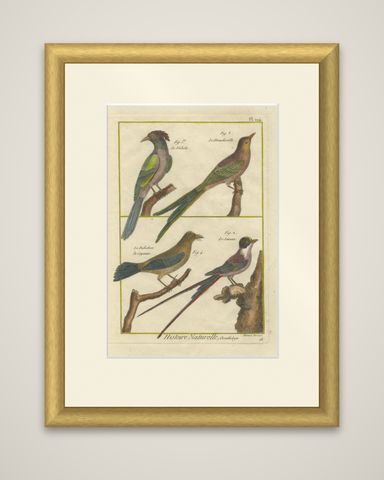
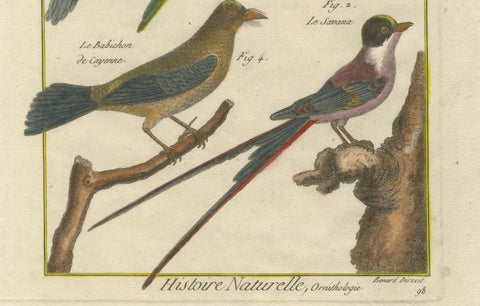
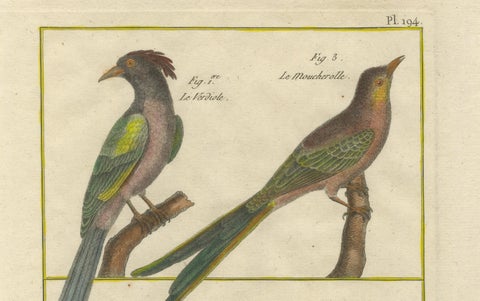
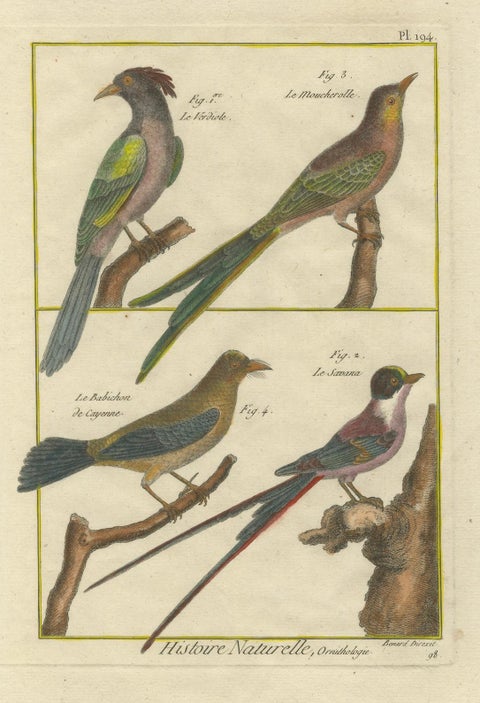
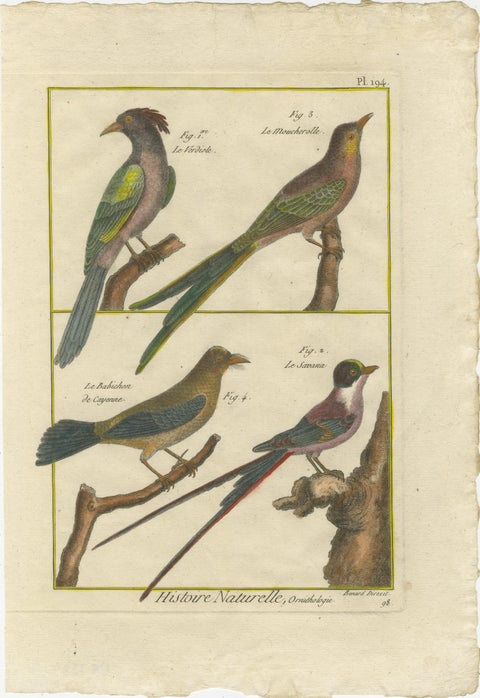
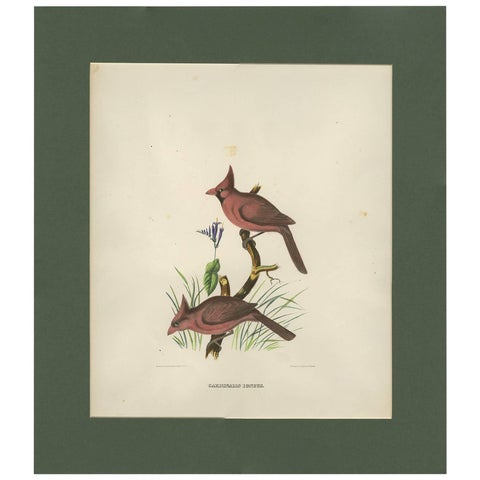
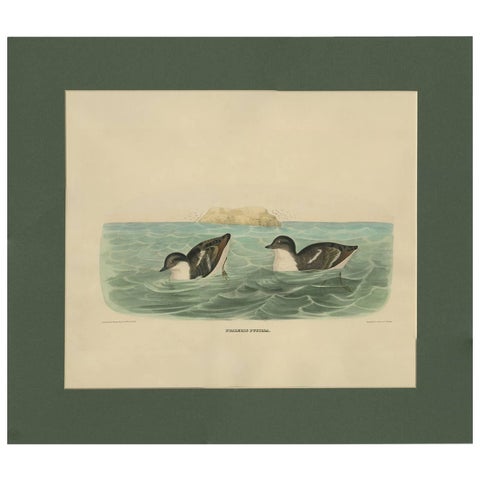
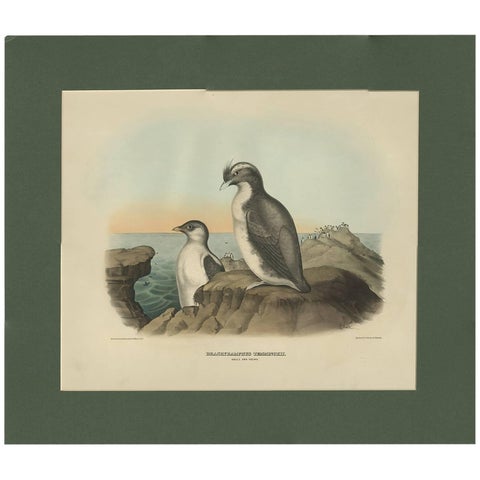
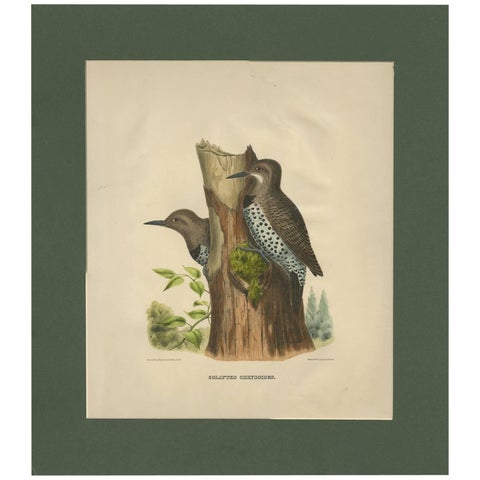
Four tropical birds on a single plate, an original copperplate engraving with hand coloring from the Histoire Naturelle (Ornithologie) of the Encyclopédie Méthodique, circa 1790. The plate is numbered "Pl. 194" at the upper right, signed "Benard Direxit" at the lower right, and lettered "Histoire Naturelle, Ornithologie" at the foot.
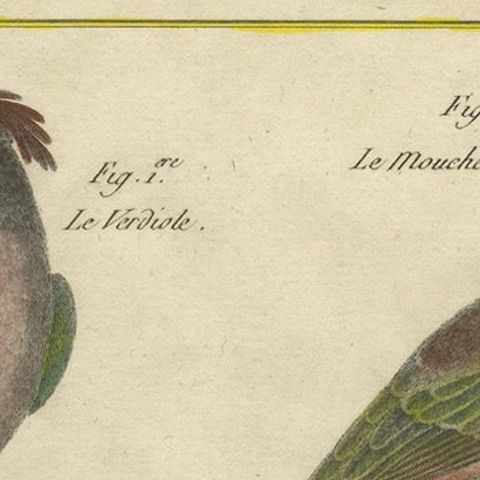
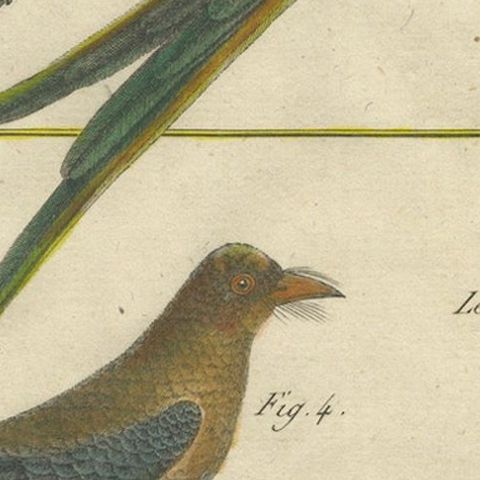
Two panels within a ruled yellow border hold the birds. In the upper panel, Fig. 1, "Le Verdiole", is a gray and green bird with a small red crest perched on a branch, and Fig. 3, "Le Moucherolle", is a flycatcher with olive-green wings and a very long tapering tail, shown on a bare limb. Below, Fig. 4, "Le Babichon de Cayenne", is an olive and brown bird with blue-gray wings and tail on a gnarled branch, and Fig. 2, "Le Savana", is the fork-tailed flycatcher, a bird with a black and green cap, white throat, pink flank and extremely long, forked tail streaming away to the lower left.
The names show a New World focus: one bird is named for Cayenne in French Guiana and another for the open savannas of South America, where the fork-tailed flycatcher lives. Hand-applied watercolor tints the plumage over the engraved outlines.