1815 · Views & Engravings
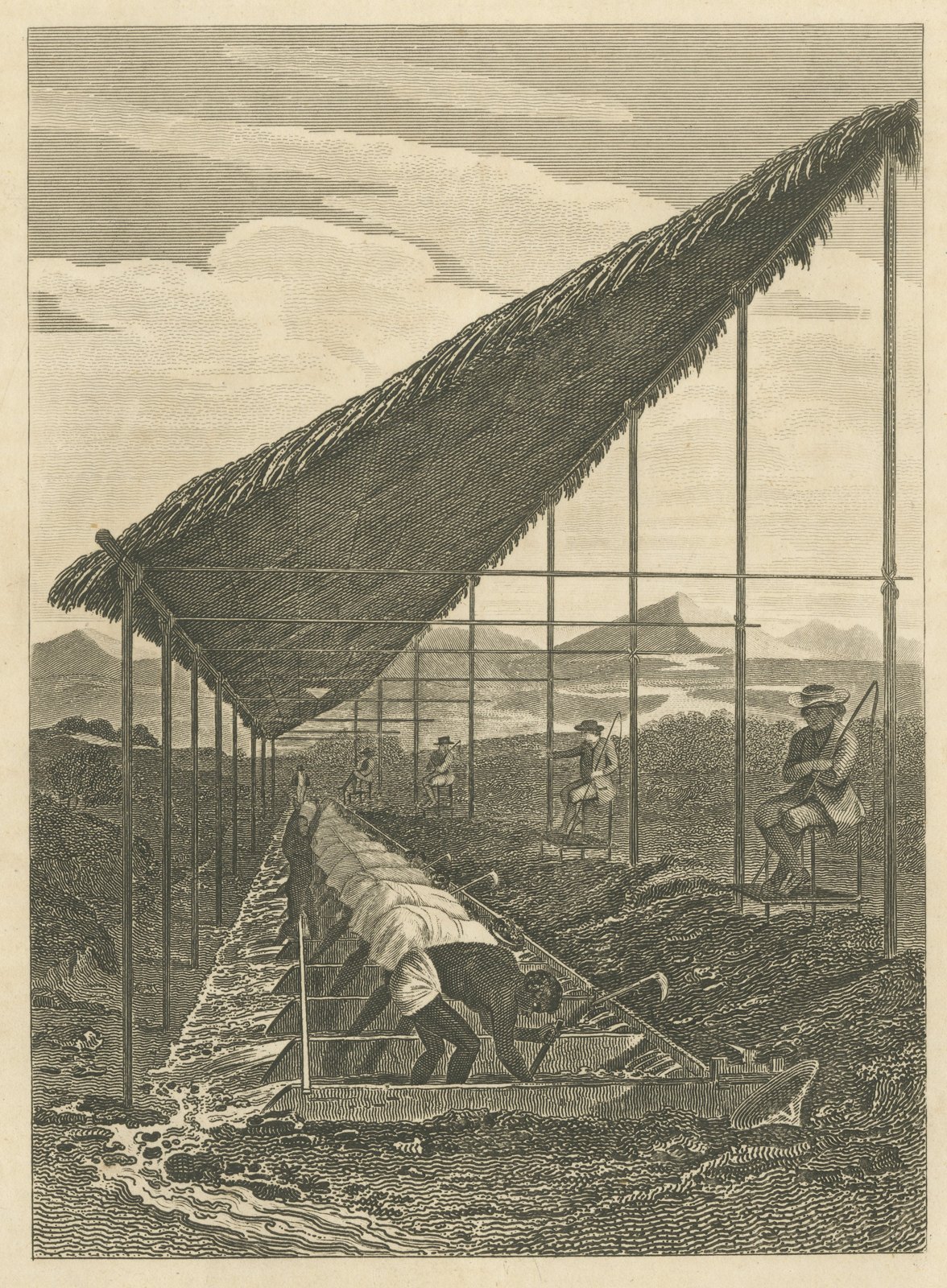
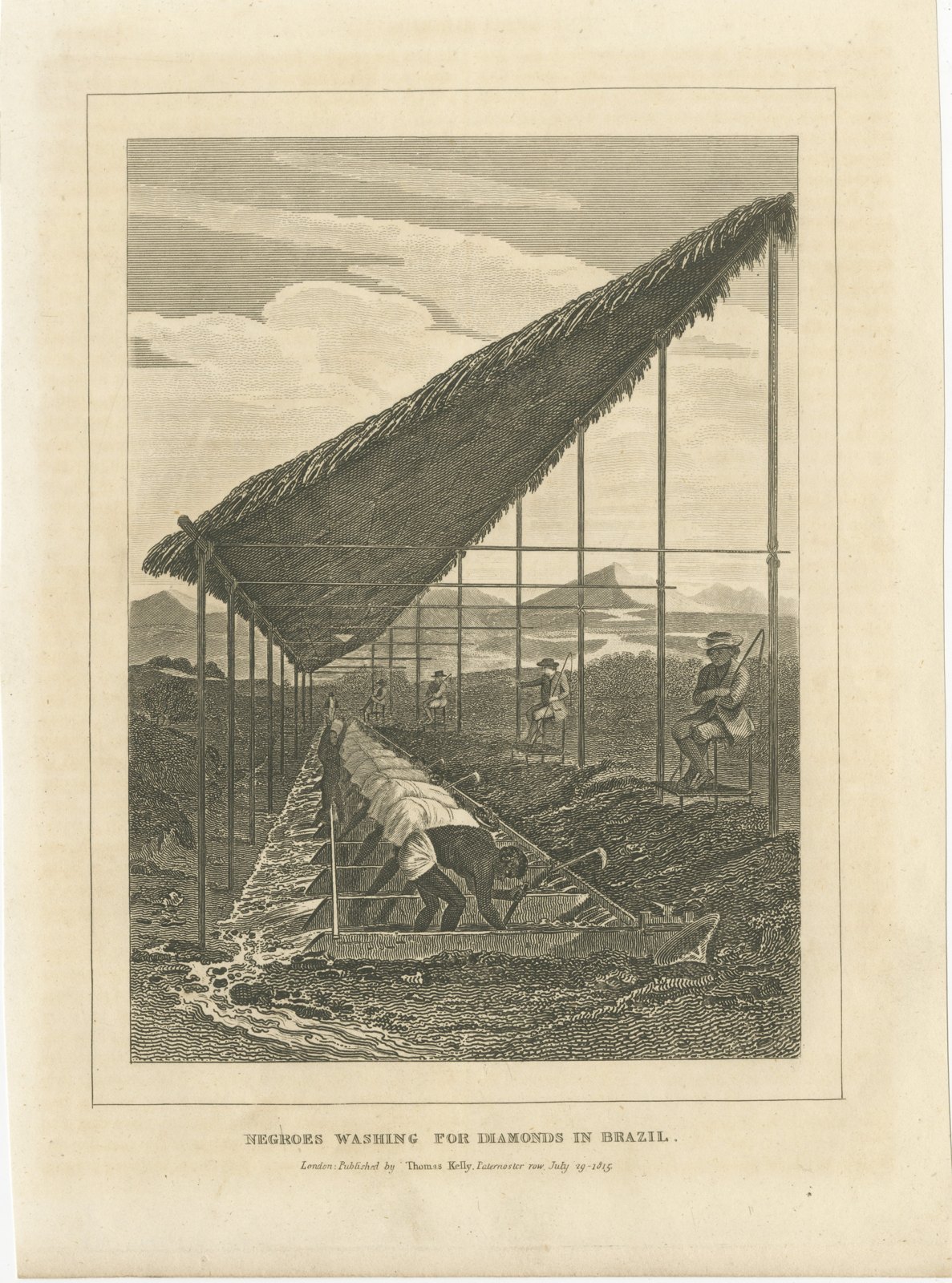
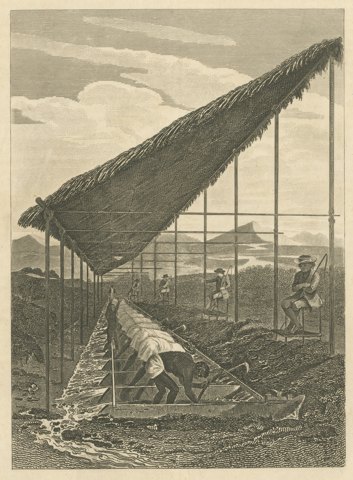
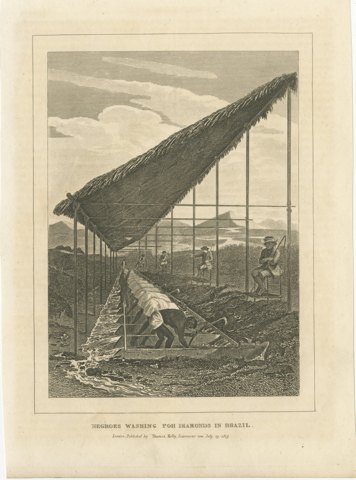
Enslaved Workers Washing for Diamonds in Brazil, Antique Engraving, 1815
$290
€260 · dollar price at today's exchange rate
Buy now Ask a question
Shipping to the United States: $51 standard, $73 express, insured and tracked.
- Date
- 1815
- Maker
- Unsigned copper engraving
- Kind
- Views & Engravings
- Technique
- Copper engraving
- Color
- Uncolored
- Size
- 26 × 19 cm (10.2 × 7.5 in)
- Condition
- Good. Good condition for its age. Light toning and scattered small spots to the margins, including a small dark spot to the lower right margin. The image is clean. Please review the images for further condition details.
- Period
- The Early Republic
- Places
- Brazil
- Reference
- BG-14391-15
What the condition grades mean
- Excellent
- Bright and clean, with no faults worth mentioning.
- Very good
- Only light signs of age, such as faint toning.
- Good
- Normal signs of age for a sheet of this period: toning, some foxing, small marks or neat old repairs.
- Fair
- Clear faults such as staining, tears or repairs, priced to match.
Every fault we see is written in the condition note, and the whole sheet is shown uncropped in the photos.
Guaranteed original. This is an original of the period stated, not a later reproduction or print-on-demand copy. If it is ever shown to be otherwise, we refund you in full.
Shipping to the United States. Sent from our gallery in Langweer, the Netherlands, flat between boards or rolled in a tube, and fully insured.
Delivery and import charges.
About this piece
An original copper engraving published in London by Thomas Kelly in 1815, showing enslaved men washing gravel for diamonds in Brazil. The plate is lettered with the period title "Negroes washing for diamonds in Brazil," quoted here as printed, and beneath it the imprint "London: Published by Thomas Kelly, Paternoster row, July 29, 1815." No artist or engraver is named.
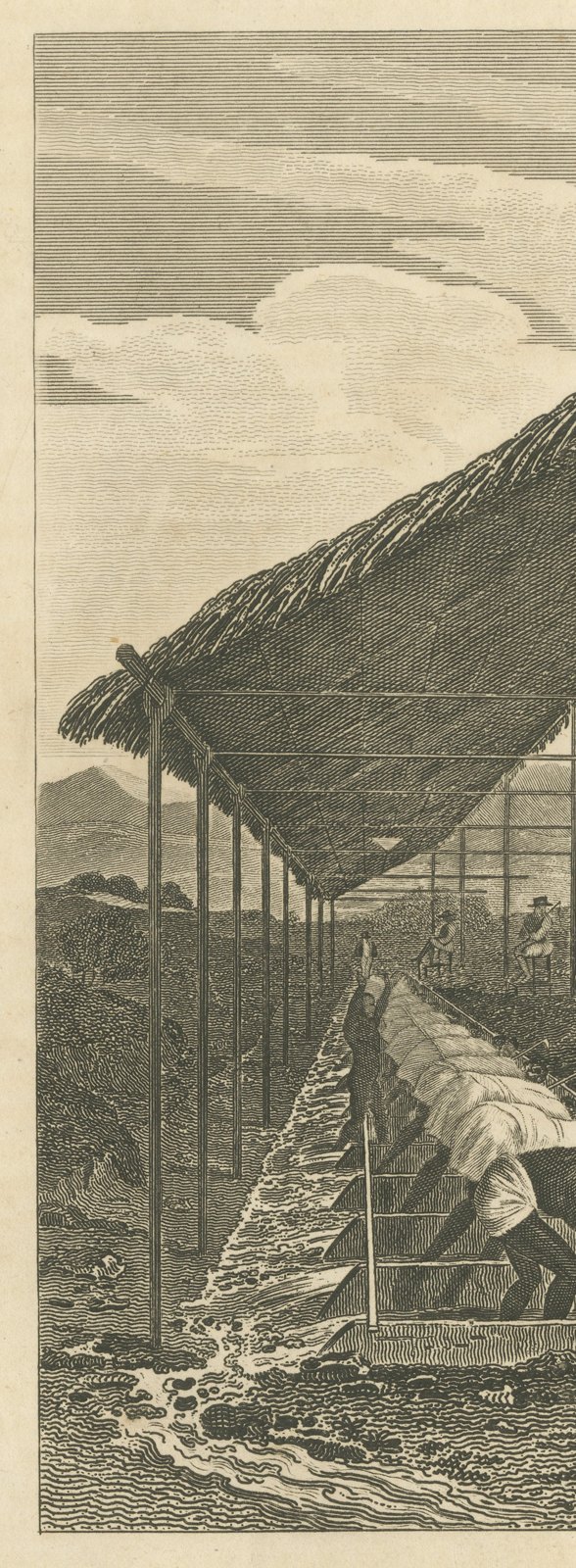
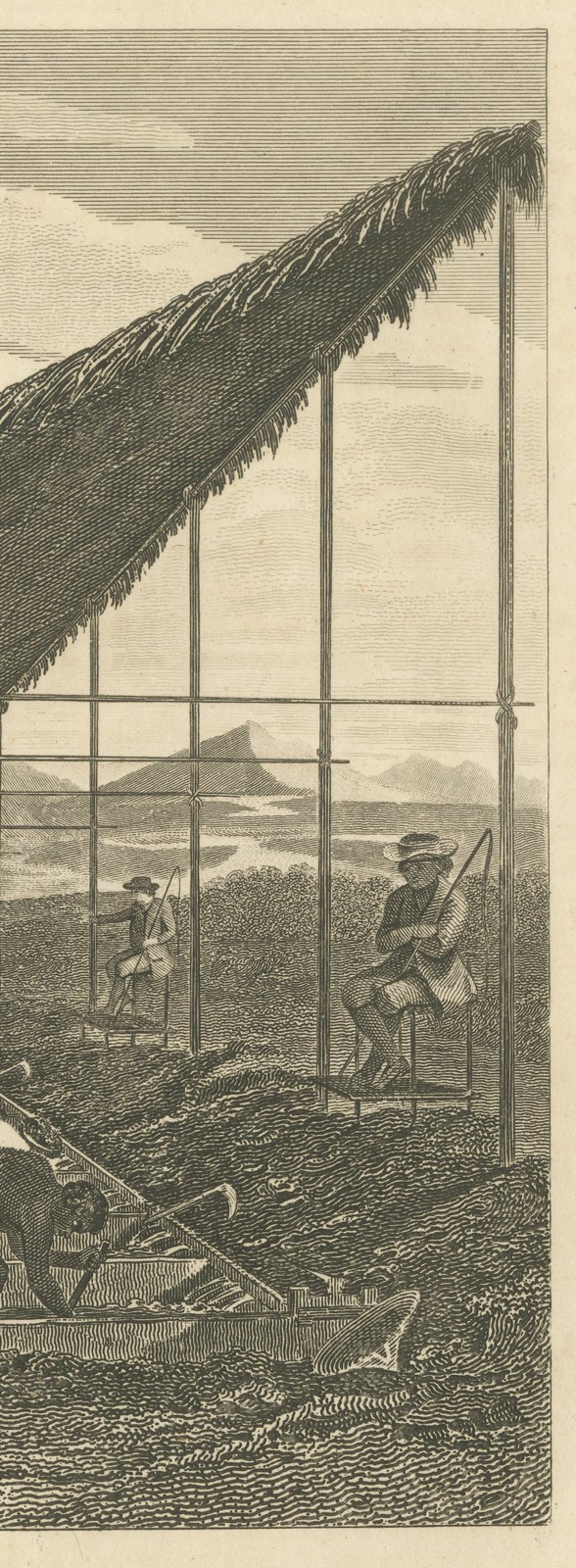
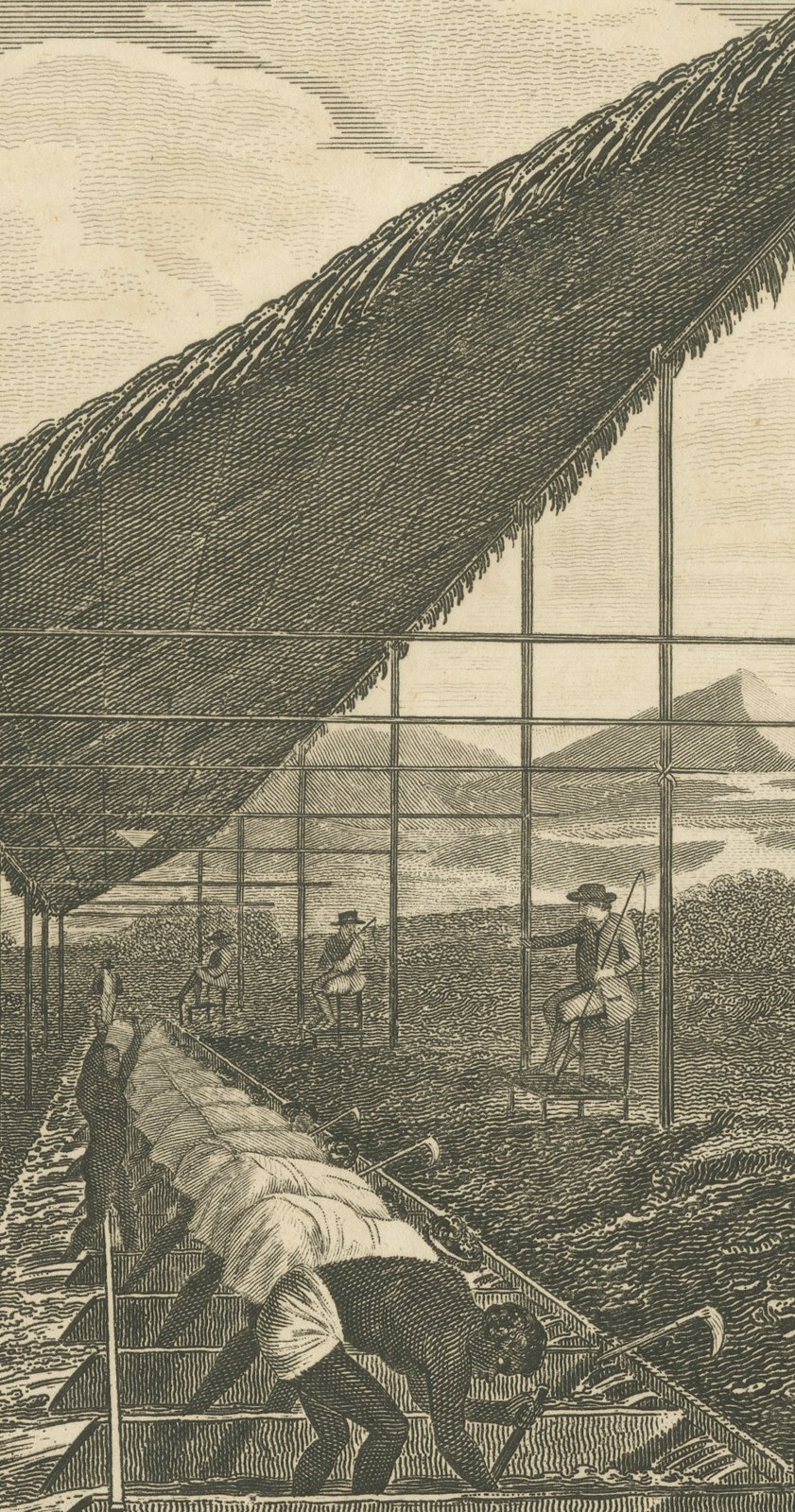
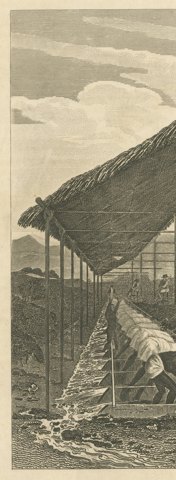
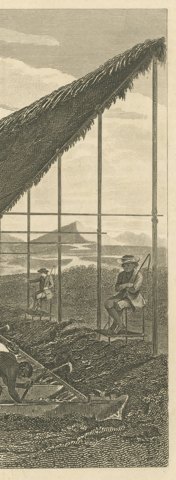
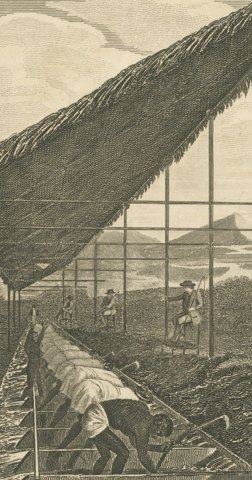
Under a long open shed with a steep thatched roof carried on slender poles, a row of men bend over a sloping wooden trough divided into compartments, working the gravel with short rakes as water runs out at its foot. Overseers in broad hats sit on high stools along the edge of the works, holding long sticks and watching every movement, and beyond them the low hills of the diamond country stretch to a line of mountains under a broad sky.
The scene follows the account of the English mineralogist John Mawe, who visited the diamond district around Tejuco, today Diamantina in Minas Gerais, in 1809 and published his Travels in the Interior of Brazil in 1812 with a plate of this very operation. Diamonds had been found in the district in the 1720s, and for most of the eighteenth century Brazil was the world's chief source of the stones. The washings were a Portuguese royal monopoly worked by enslaved Africans and their descendants under close guard, and the overseers here are placed to prevent any stone from being hidden.
Kelly reissued images of this kind in his popular part works on geography and travel, bringing them to a wide British readership. Today the plate is an important visual record of the diamond trade and of slavery in Brazil, which was not abolished until 1888.
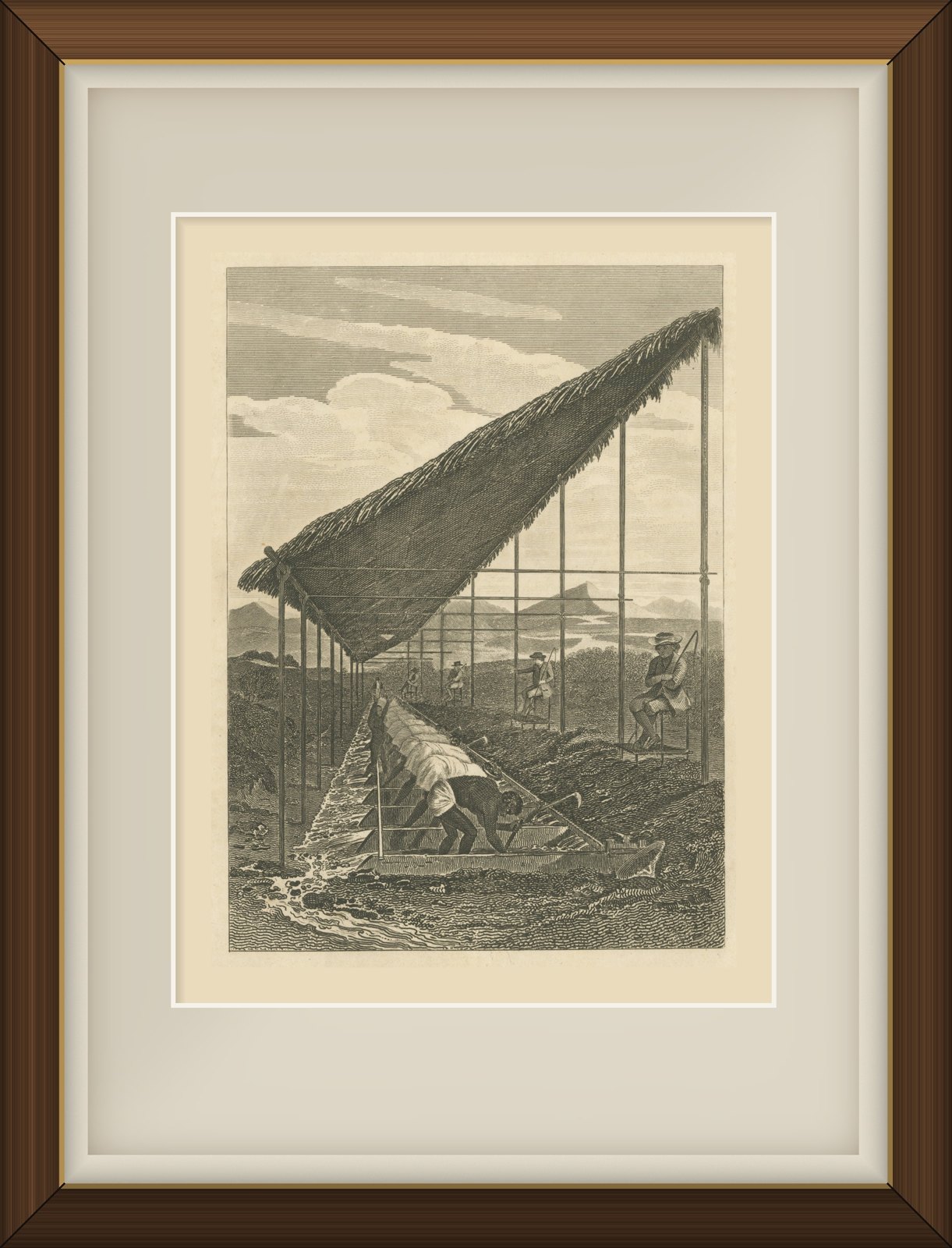
This is an original antique print, not a modern reproduction. This item is sold unframed. Any framed or interior images are shown for presentation and inspiration only, unless the listing explicitly states that the item is sold framed.