1690 · Maps
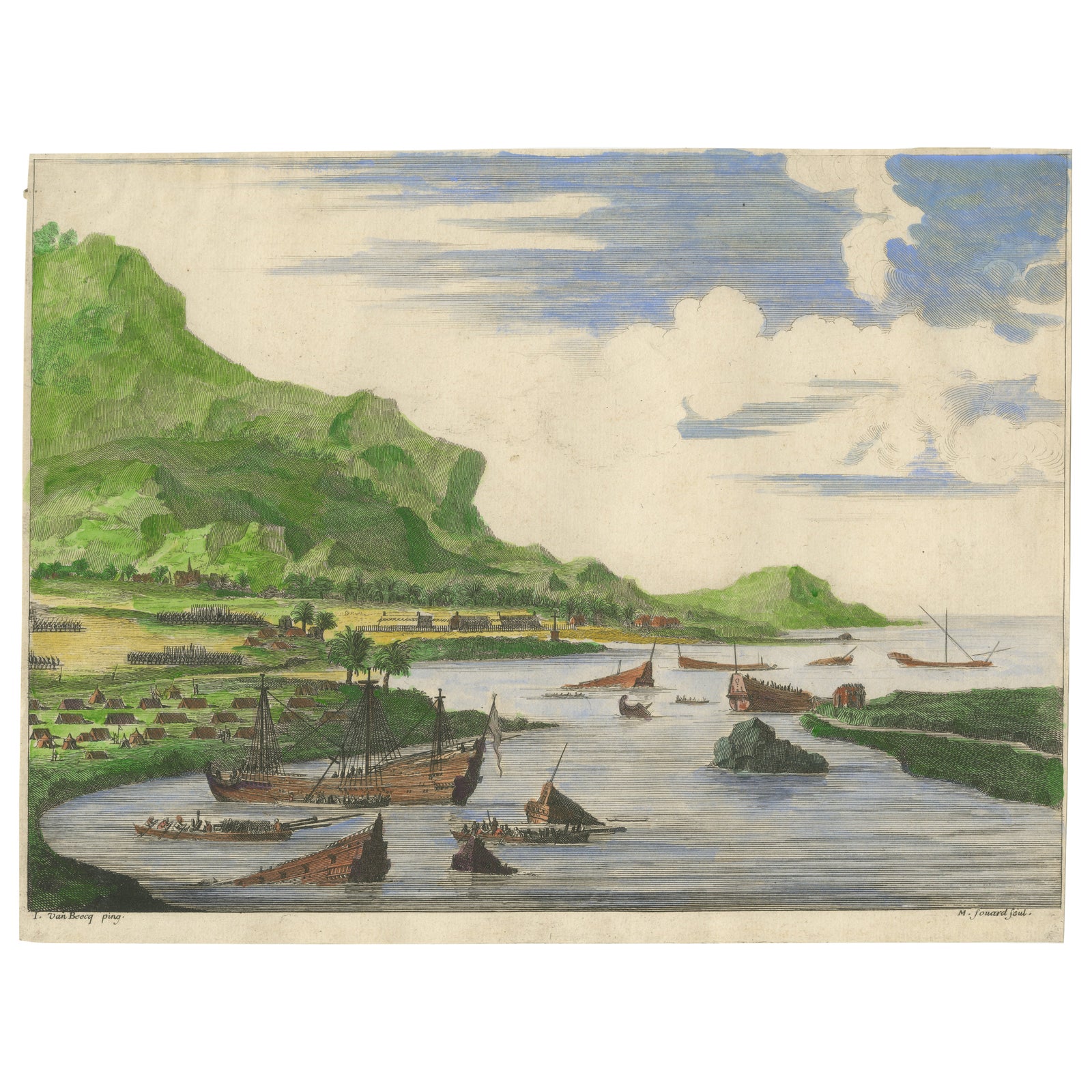
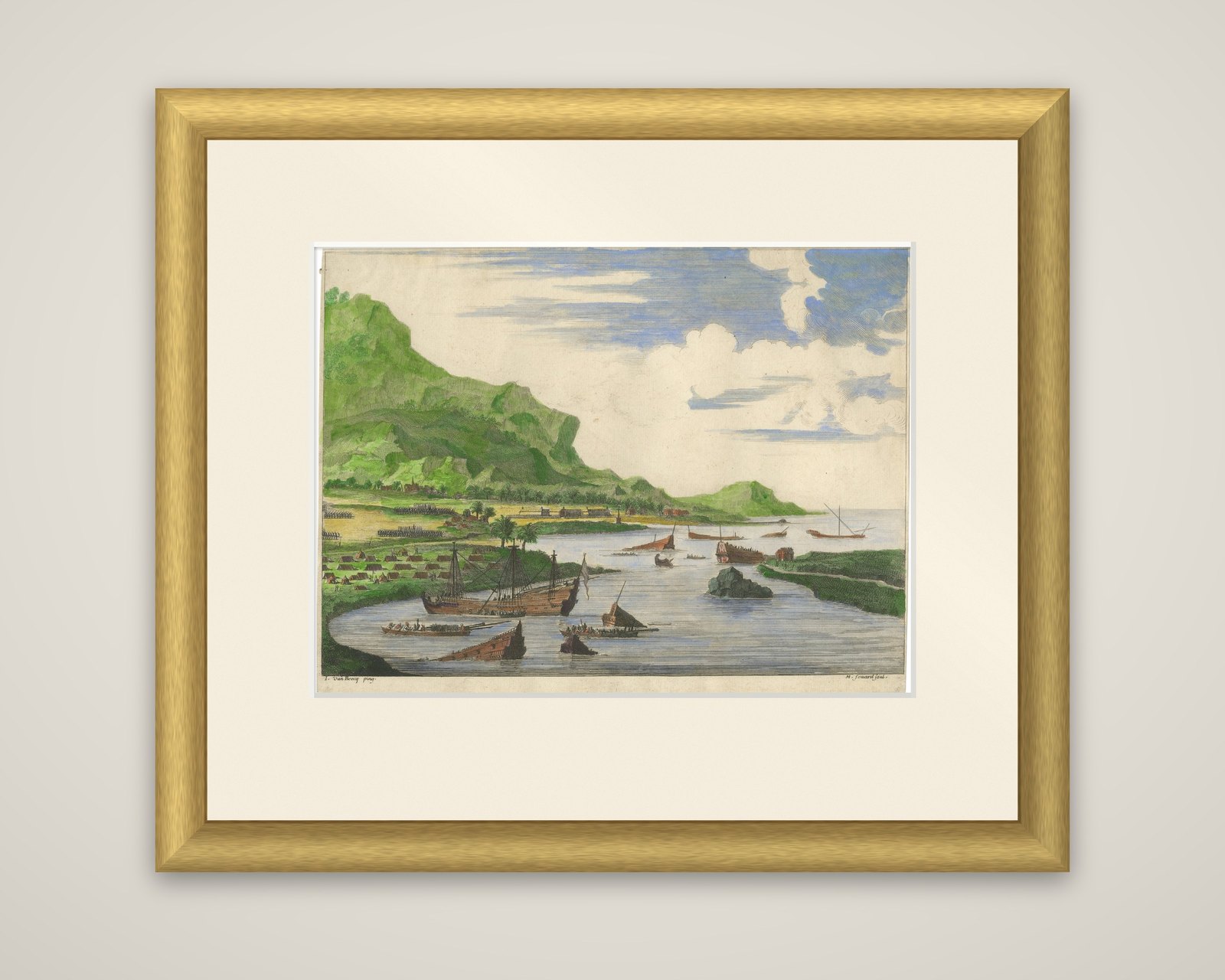
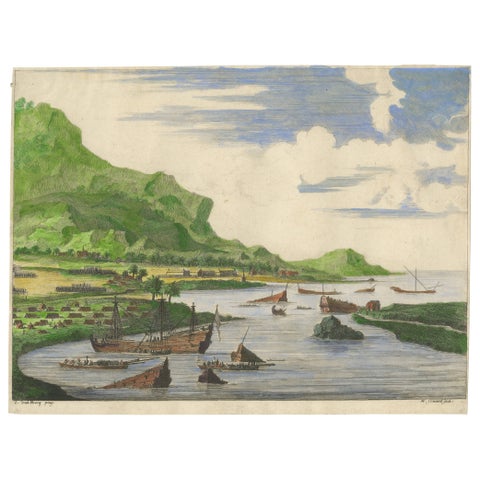
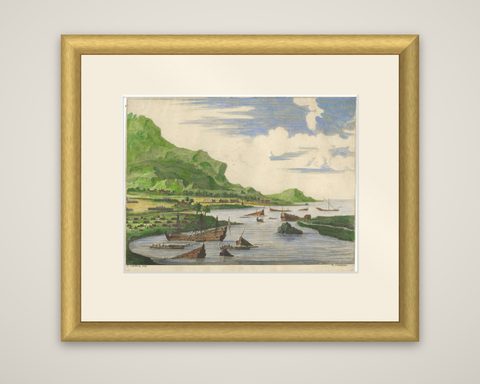
Cortés Scuttling Ships at Veracruz – Hand-Colored Engraving by Van Beecq, c.1690
$405
€360 · dollar price at today's exchange rate
Buy now Ask a question
Shipping to the United States: $51 standard, $73 express, insured and tracked.
- Date
- 1690
- Kind
- Maps
- Size
- 22 × 29 cm (8.7 × 11.4 in)
- Condition
- Good. Impression with fine hand-coloring. Tight borders, but otherwise well-preserved.
- Period
- Colonial America
- Places
- Mexico
- Reference
- BG-14145-1
What the condition grades mean
- Excellent
- Bright and clean, with no faults worth mentioning.
- Very good
- Only light signs of age, such as faint toning.
- Good
- Normal signs of age for a sheet of this period: toning, some foxing, small marks or neat old repairs.
- Fair
- Clear faults such as staining, tears or repairs, priced to match.
Every fault we see is written in the condition note, and the whole sheet is shown uncropped in the photos.
Guaranteed original. This is an original of the period stated, not a later reproduction or print-on-demand copy. If it is ever shown to be otherwise, we refund you in full.
Shipping to the United States. Sent from our gallery in Langweer, the Netherlands, flat between boards or rolled in a tube, and fully insured.
Delivery and import charges.
About this piece
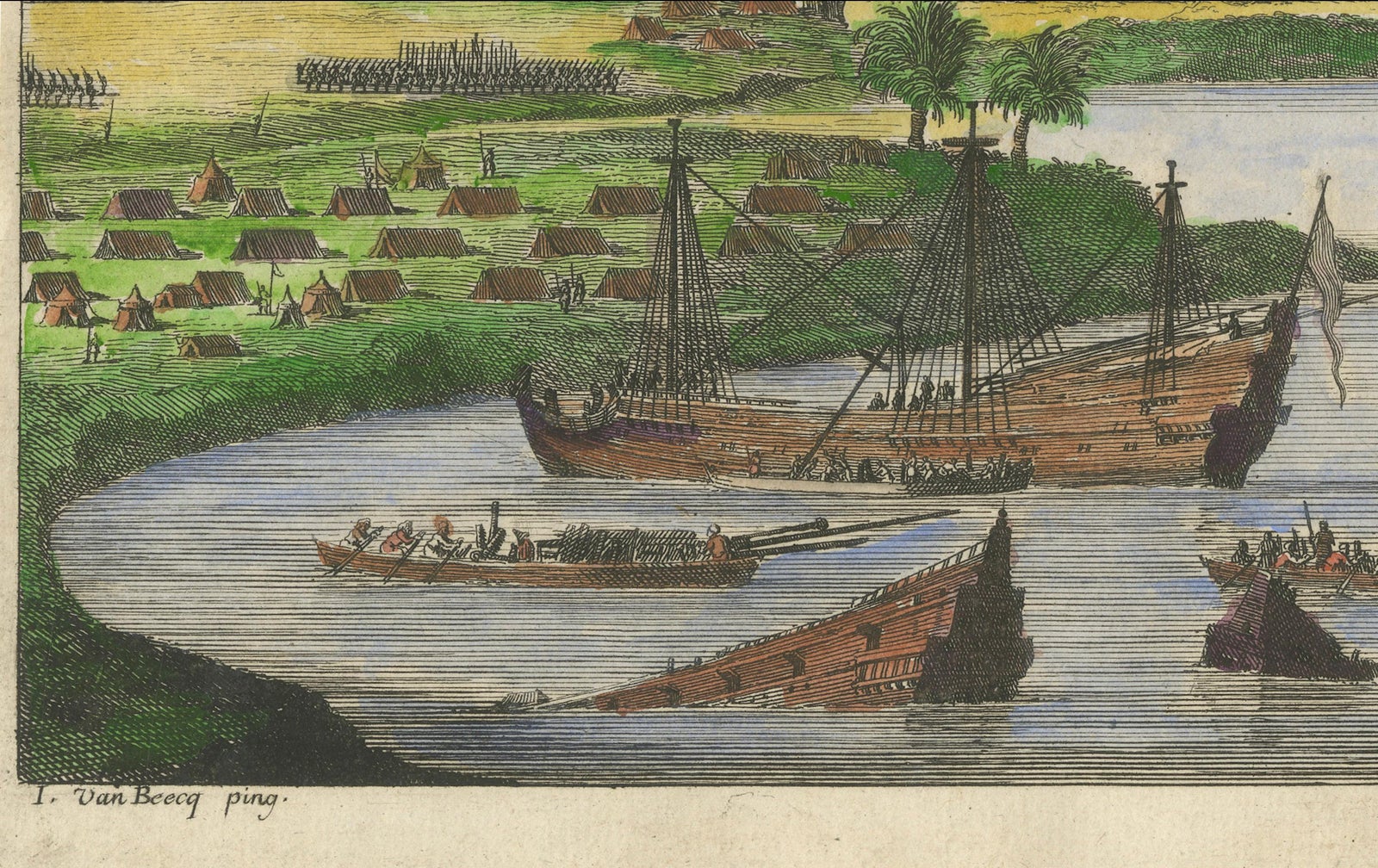
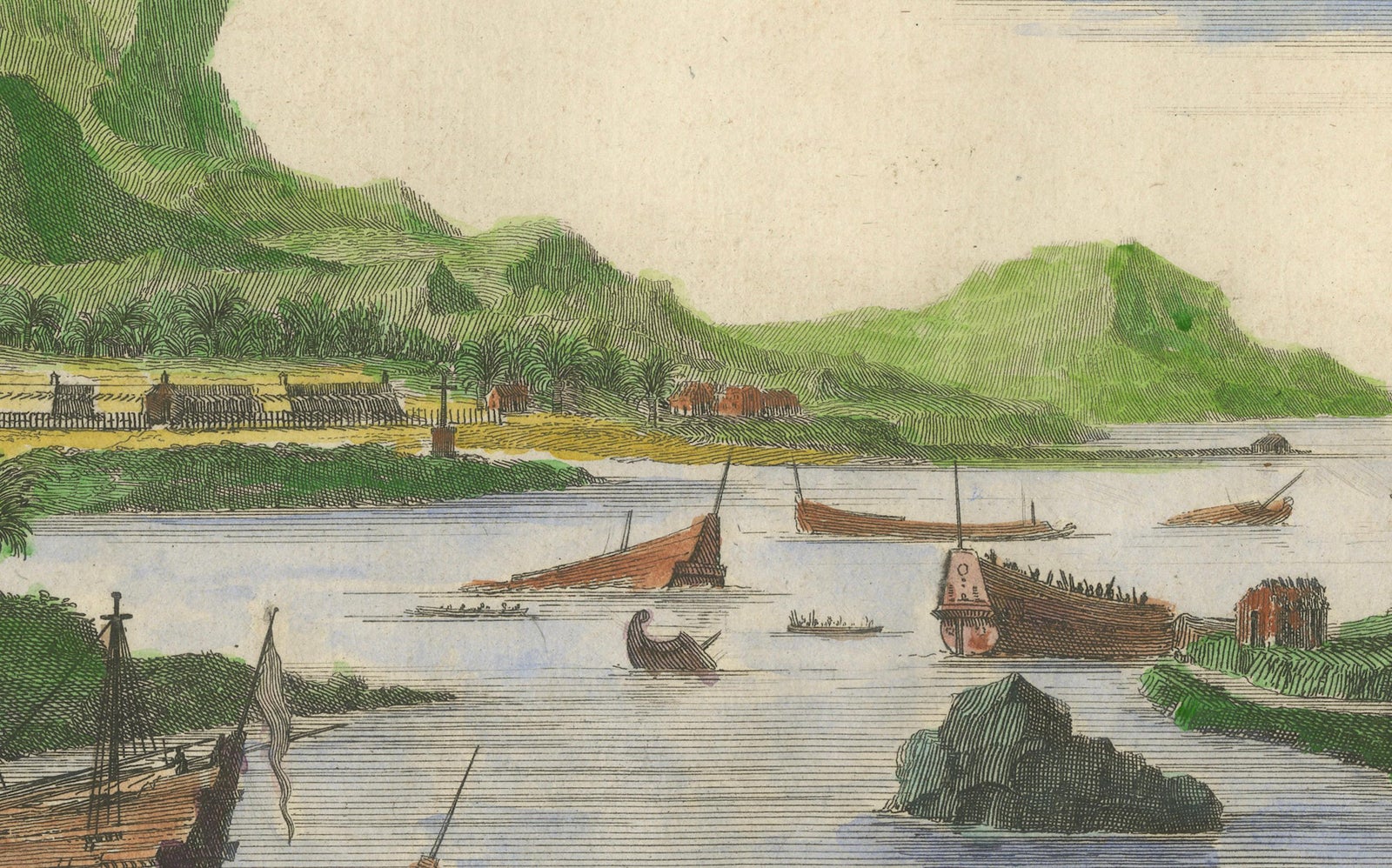
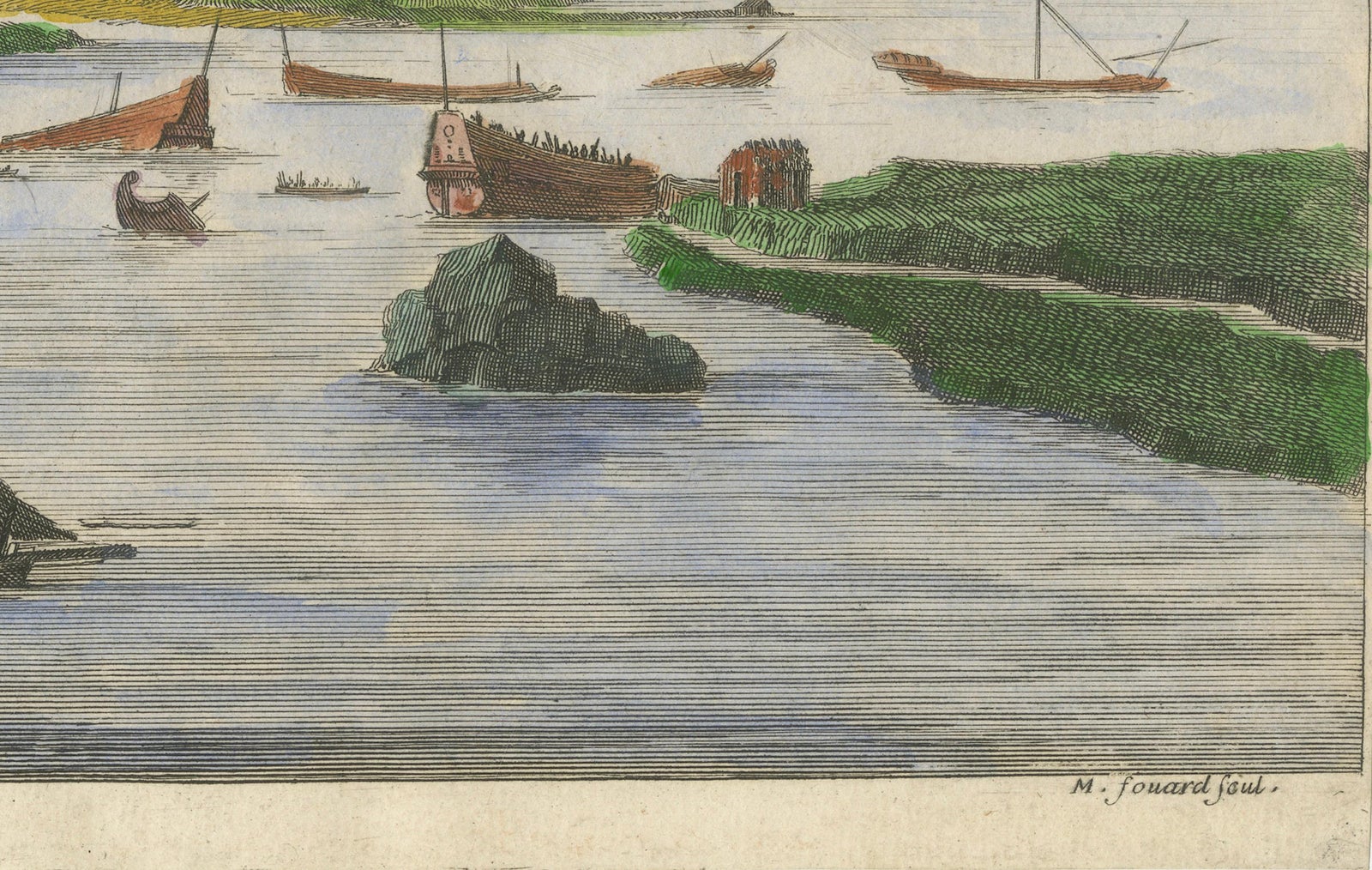
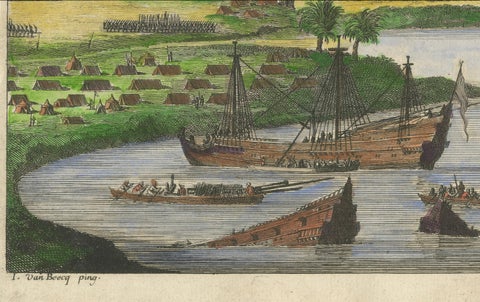
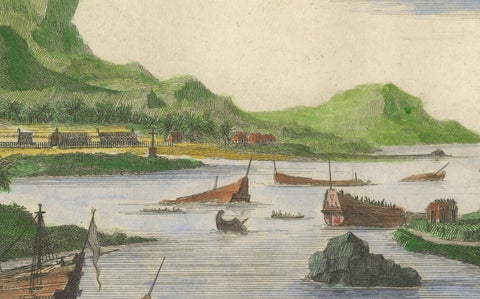
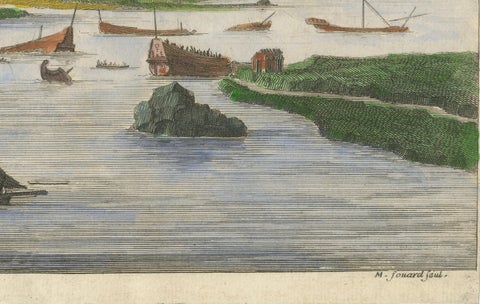
Hernan Cortes scuttling his ships at Veracruz in 1519, an original hand-colored copperplate engraving published in France around 1690. The lettering at the lower margin credits the design to "I. Van Beecq pinx." (Isaac van Beecq, painter) and the engraving to "M. Fouard sculp." (Michel Fouard).
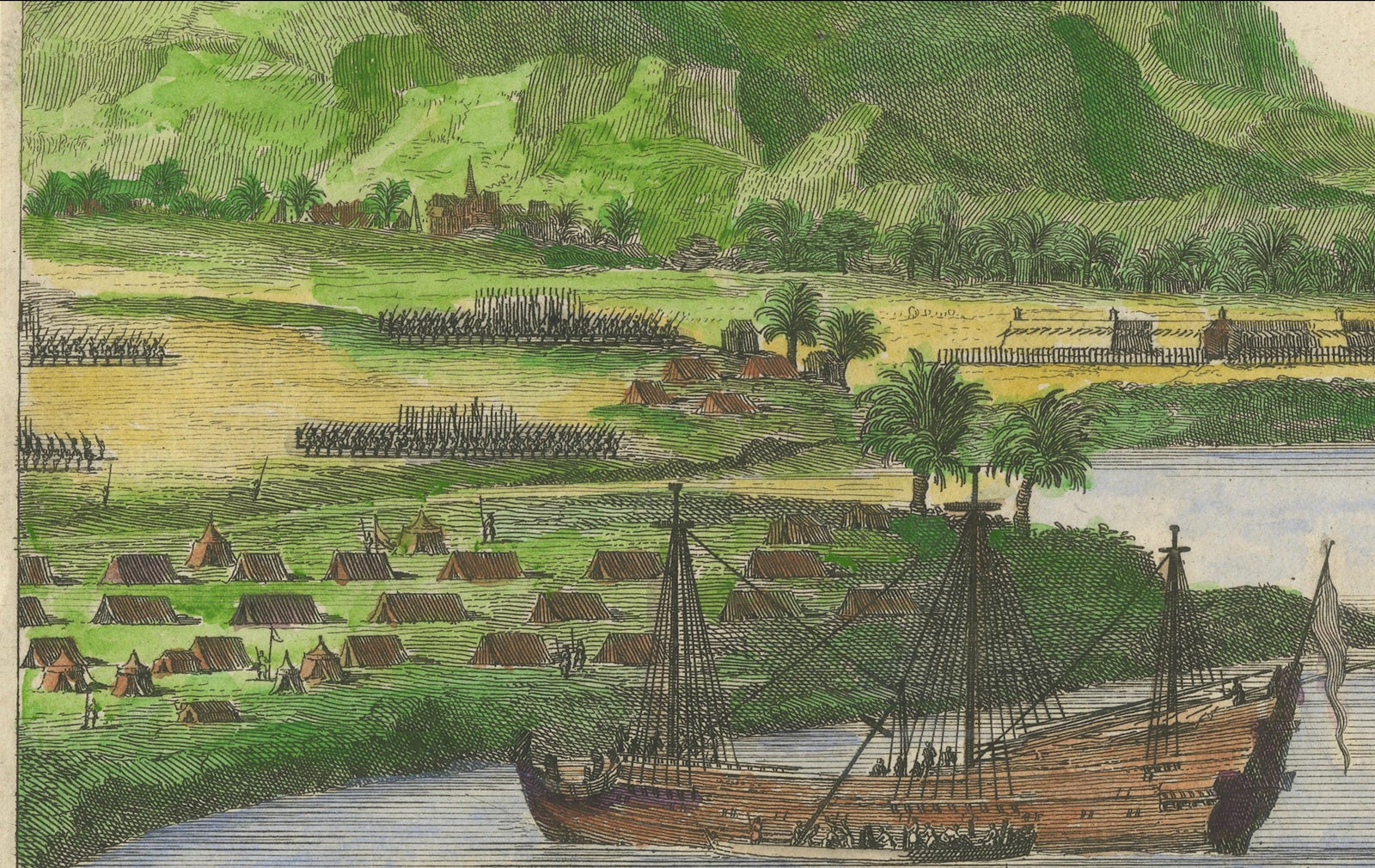
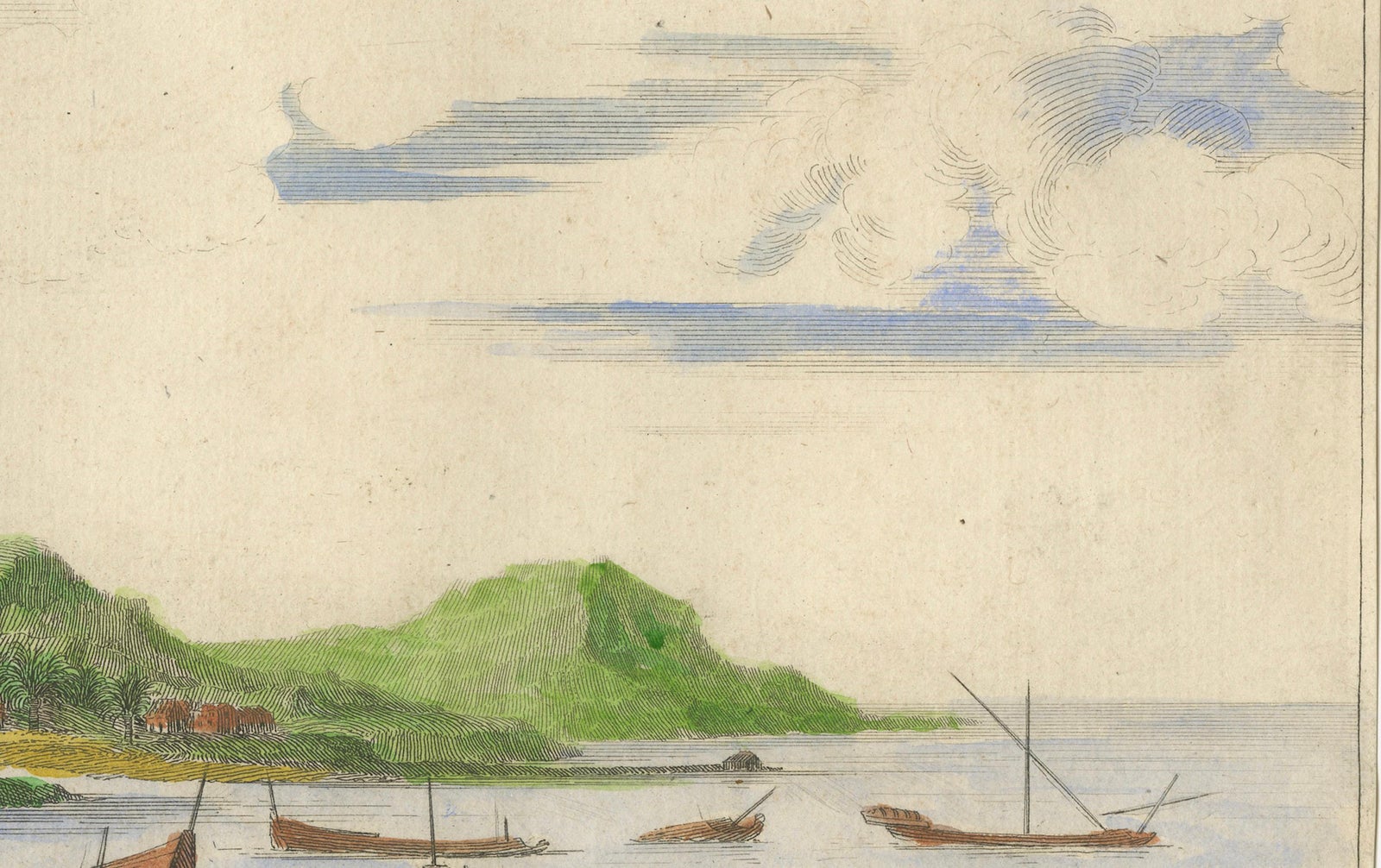
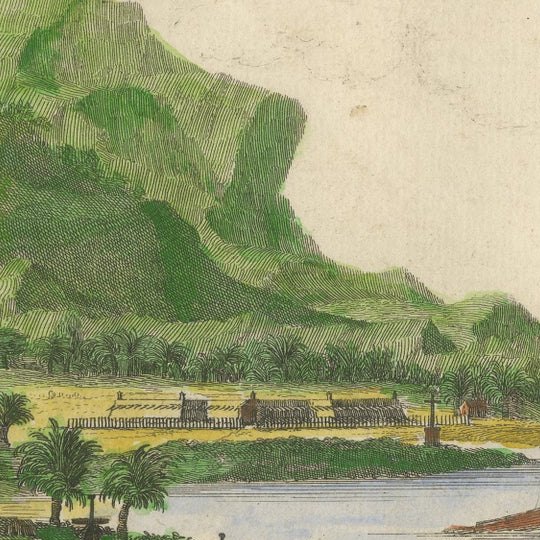
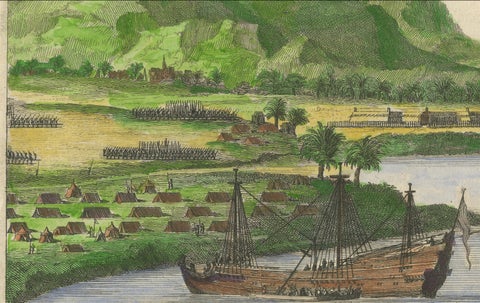
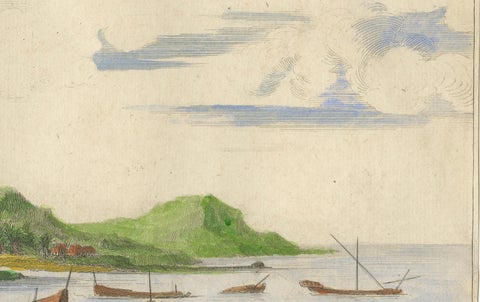
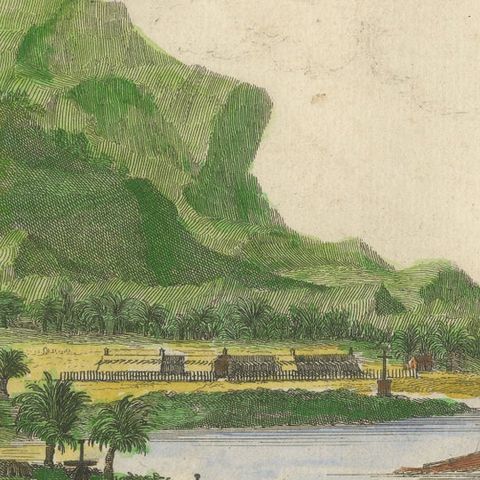
The view looks across a curved bay on a tropical coast. A large green mountain rises at the left and slopes down to a low shoreline, where tents and ranks of soldiers are drawn up on the grass beside palms and a small settlement. In the water, a Spanish ship lies at anchor in the foreground, small boats carry men back and forth, and several vessels lie heeled over and wrecked, their masts and hulls breaking the surface. Further out, other craft and a rock stand in the water under a wide sky of blue and white clouds. The coloring is applied in green, blue, brown and ochre washes over the engraved lines.
According to the traditional account, Cortes had his fleet destroyed after landing on the Mexican coast so that his men had no choice but to march inland toward the Aztec capital of Tenochtitlan. The episode became a byword for committing to a course with no retreat, and it was illustrated repeatedly in European histories of the conquest of Mexico.